About Us

The people we stand beside
These people each named something important about how lives can be strengthened
and protected over time. We celebrate their work.
We try to bring it into ordinary life.
Michael Kendrick
Protecting a life over time
Kendrick showed that the biggest risk to a disabled person is not impairment, but time spent inside systems that slowly take over decision-making.
He asked questions like:
- What happens when parents are gone?
- What happens when services drift?
- Who really holds authority over a life?
In everyday life:
We think about this as building family-owned ways of holding direction, memory, and values - so a life does not depend on services to stay intact.
Tariana Turia
Family and whānau authority
Turia brought into public life a truth long held in families and whānau: people are strongest when they lead their own lives together.
She showed that wellbeing is:
- Collective
- Relational
- Intergenerational
In everyday life:
We think about this as treating families and whānau as rightful leaders in their own lives, not as problems to be managed.
Wolf Wolfensberger
Protection from devaluation
Wolfensberger showed how people who are devalued are treated badly - even when everyone thinks they are being kind.
He pointed to the importance of:
- Social roles
- Status
- Contribution
- Belonging
In everyday life:
We think about this as paying attention to the ordinary things that quietly shape how a person is seen - where they live, what they do, who they are with, and how they are known.
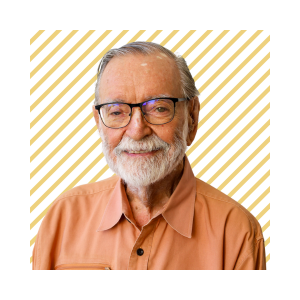
John McKnight
Community before services
McKnight warned that when services replace community, people lose their place as citizens.
He shifted attention from needs to:
- Gifts
- Contribution
- Neighbourhood
- Relationships
In everyday life:
We think about this as not letting paid support take the place of friendship, belonging, and everyday roles in local life.
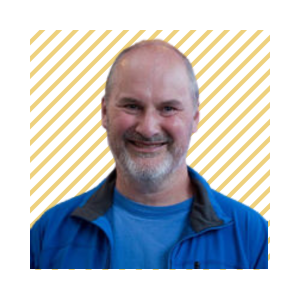
Simon Duffy
Citizenship and self-direction
Simon Duffy argued that support is not charity. It is meant to support citizenship.
He showed that:
- People can direct their own support
- Money should be a tool, not a leash
- Professionals should not hold the centre
In everyday life:
We think about this as helping families and disabled people stay in charge of decisions about their own lives - even while working inside government systems.
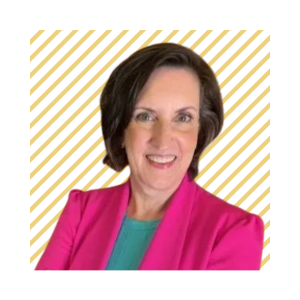
Denise Brown
The reality of caring
Denise Brown named what families already know: supporting someone changes you over time.
She showed that:
- There are stages
- There are stumbles
- There are steadies
- There are lessons along the way
In everyday life:
We think about this as supporting families to stay strong without making the disabled person’s life smaller or shifting the focus away from them.
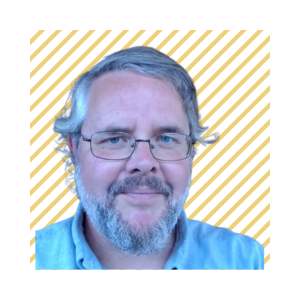
Tim Vogt
Tim Vogt’s work through Starfire focuses on a simple but demanding idea: People belong in ordinary community life, not as visitors, but as contributors.
He showed that inclusion:
In everyday life:
We interpret this as investing in slow, relationship-based work that helps a person become woven into the fabric of their local community - not through events or activities alone, but through mutual connection, contribution, and shared life.
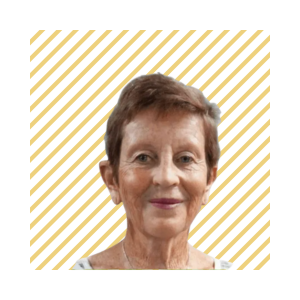
Lorna Sullivan
Lorna Sullivan has focused on a question many families quietly carry: 'How do strong disability ideas actually live inside everyday homes?'
She showed that:
- small decisions add up over time to either strengthen or weaken a person’s life.
In everyday life:
We interpret this as treating daily family practices as the real site of change - where values are translated into habits, and where a good life is built through steady, thoughtful choices made in the flow of ordinary living.
The approaches we stand on
Alongside these people, The Good Life Practice is grounded in well-established
approaches. Again, we do not treat these as theories to teach.
We treat them as sources of practical guidance.
Te Tiriti o Waitangi
A framework of relationship and shared responsibility.
In everyday life:
We think of this as recognising families and whānau as rightful leaders of their own lives, and seeing the system’s role as supporting and protecting - not controlling.
UNCRPD
The international agreement that disabled people are citizens with rights.
In everyday life:
We think of this as turning rights into calm, usable reference points for daily decisions and conversations with government.
Enabling Good Lives
A commitment in Aotearoa to self-direction, flexibility, and ordinary lives.
In everyday life:
We think of this as practising those ideas inside family life, even when systems are slow to change.
Asset-Based Community Development (ABCD)
An approach that starts with gifts and contribution, not deficits.
In everyday life:
We think of this as building lives around what people can give and where they belong, not just what they need.
Charting the LifeCourse
Tools for thinking about direction and change over time.
In everyday life:
We think of this as using simple shared tools to help families and disabled people keep asking, "Are we moving toward a good life - or just managing what’s in front of us?"
We value these tools because they help make “good” visible, even when things are complicated.
Building your own Good Life Practice is about stepping back into holding authority over your own life.
- It’s choosing direction when systems are unsure what “good” even means.
- It’s staying oriented toward dignity, belonging, and meaning - even when policies change or support gets messy.
- It’s learning how to say, this matters, and shaping life around it.
This is not about having everything sorted.
It’s about staying pointed toward what makes life worth living.
That’s what we invite you to build here.
Not our version of a good life - yours.